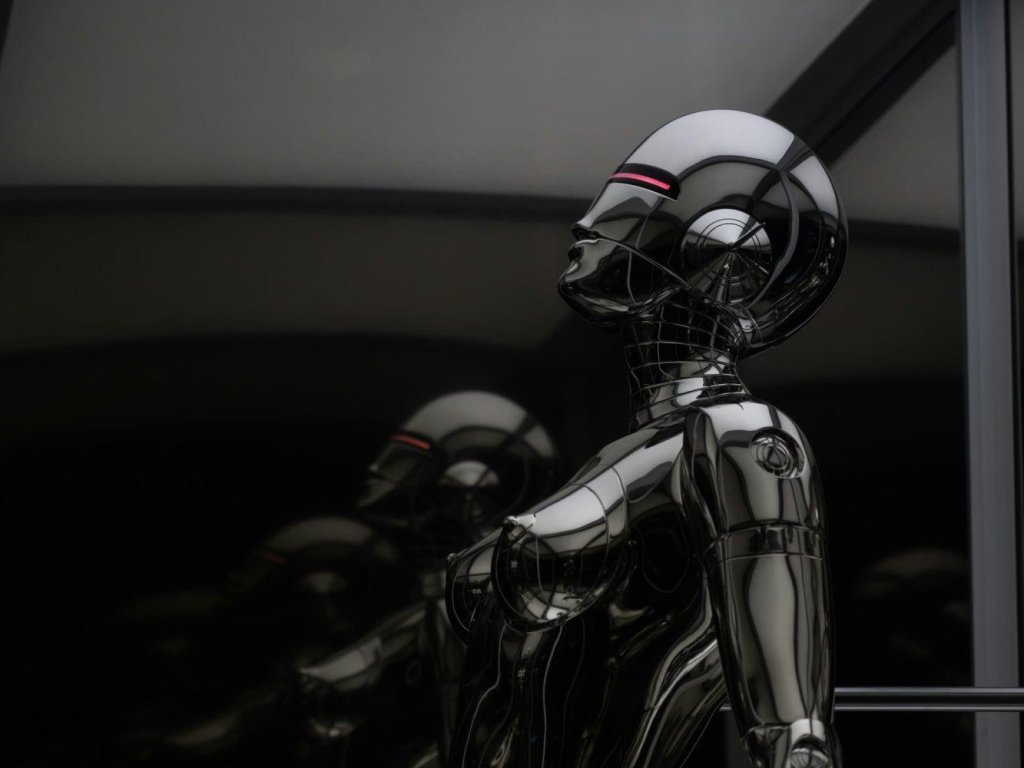
The art world is experiencing a profound identity crisis, triggered not by a new philosophical movement or a radical painting technique, but by lines of code. The explosive rise of generative Artificial Intelligence systems like Midjourney, DALL-E, and Stable Diffusion has democratized creativity, allowing anyone to generate breathtaking, gallery-quality masterpieces simply by typing a text prompt. However, beneath the digital canvas lies a fierce battleground over copyright, ethics, and the definition of human artistry.
At the core of the controversy is how these AI models are trained. To learn how to render a photorealistic portrait or paint in the style of Vincent van Gogh, AI algorithms must analyze billions of images scraped from the internet. The vast majority of this training data consists of copyrighted works created by living contemporary artists, used without their explicit consent, financial compensation, or acknowledgment. Artists argue that this practice constitutes systemic copyright infringement and intellectual property theft, as the AI can now directly compete with them by mimicking their unique, hard-earned styles in a matter of seconds.
Tech companies counter that this process is akin to a human art student studying public art to gain inspiration, which falls under "fair use" laws. However, legal frameworks worldwide are scrambling to keep up. Landmark lawsuits are currently winding through federal courts, seeking to establish whether AI training constitutes infringement, and whether AI-generated images can even be copyrighted. Currently, copyright offices in many jurisdictions maintain that authorship requires human intervention. As the line between tool and creator blurs, the outcome of these battles will reshape the creative economy, deciding whether AI will serve as an empowering assistant or a replacement for human expression.