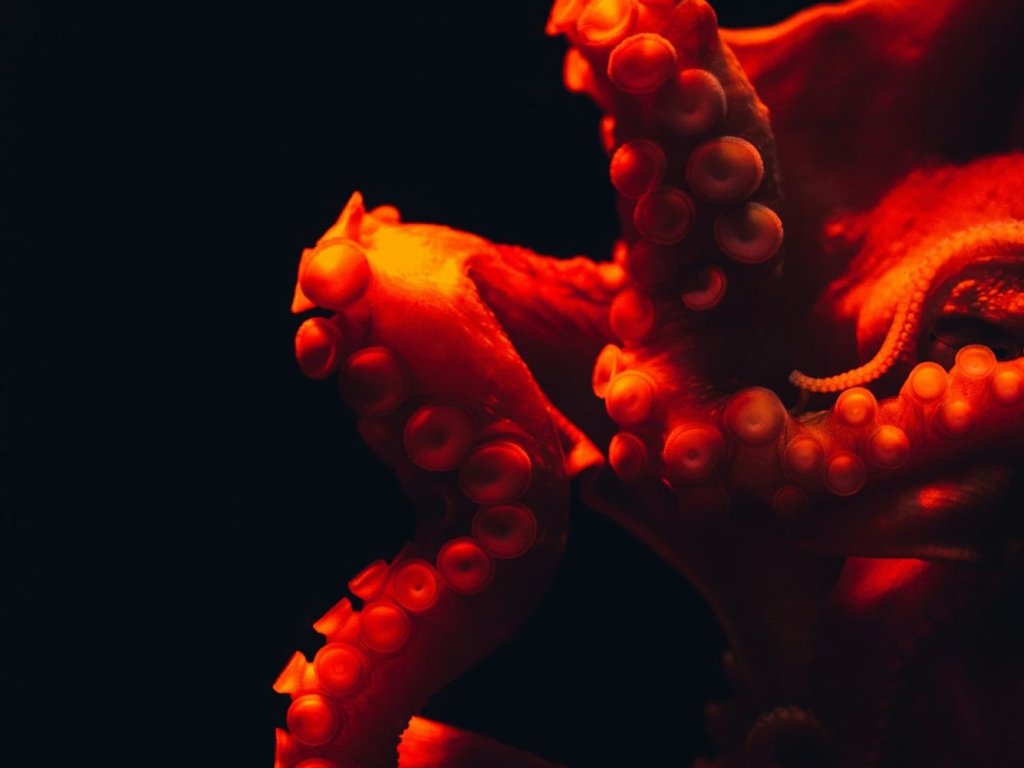
For centuries, the deep ocean was considered a barren, desolate desert, devoid of life and crushed by unimaginable pressure. However, recent oceanographic expeditions utilizing advanced autonomous underwater vehicles (AUVs) have completely shattered this misconception. Exploring the Mariana Trench and the Mid-Atlantic Ridge, scientists have discovered thriving, complex ecosystems clustered around hydrothermal vents. These underwater geysers, spewing superheated, mineral-rich water into the freezing depths, host creatures that defy the foundational rules of biology as we know them.
Unlike terrestrial ecosystems that rely on sunlight and photosynthesis, these deep-sea communities thrive on chemosynthesis. Bacteria oxidize toxic chemicals, such as hydrogen sulfide, to produce energy, forming the base of a unique food web. Among the most startling discoveries are giant tube worms that grow up to eight feet long, translucent ghost crabs, and looking-glass shrimp that possess eyes designed to detect the faint infrared glow of the vents rather than visible light.
The implications of these discoveries extend far beyond marine biology. Astrobiologists are closely studying these extreme environments, known as extremophiles, to understand how life might exist on other celestial bodies. The icy moons of Jupiter and Saturn, which harbor subsurface oceans heated by tidal forces, present environments remarkably similar to Earth’s hydrothermal vents. If life can thrive in the dark, toxic, and pressurized depths of our own planet, the probability of finding extraterrestrial life in similar conditions skyrockets. Furthermore, biomedical researchers are analyzing the unique enzymes produced by these deep-sea organisms, looking for breakthroughs in antibiotics and cancer treatments. As deep-sea mining interests grow, scientists urge for strict conservation, warning that we might destroy these fragile, alien worlds before we fully understand them.