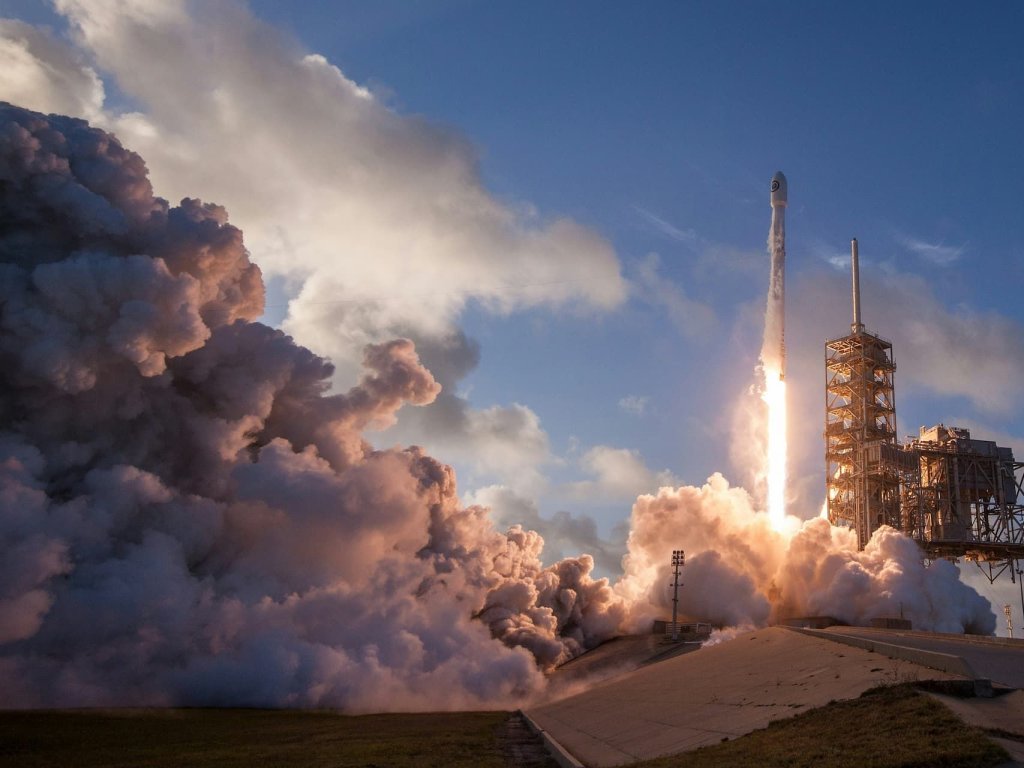
The dream of civilian space travel is no longer confined to sci-fi novels. Companies like SpaceX, Blue Origin, and Virgin Galactic have turned low-Earth orbit and suborbital space into the ultimate playground for the ultra-wealthy. However, as rocket launches transition from rare, state-sponsored scientific endeavors to frequent, commercial tourism flights, scientists are sounding the alarm regarding the hidden environmental cost of escaping Earth’s gravity.
Rockets require immense energy to break through the atmosphere, achieved by burning massive quantities of propellants. While some modern rockets use liquid hydrogen and liquid oxygen, which primarily emit water vapor, others rely on kerosene, solid fuels, and synthetic compounds that release high volumes of black carbon (soot), carbon dioxide, and nitrogen oxides directly into the stratosphere. Unlike terrestrial emissions, which are partially absorbed by oceans and forests, rocket emissions are injected directly into the upper atmosphere, where they can linger for years.
Recent atmospheric models suggest that black carbon in the stratosphere absorbs sunlight, warming the upper atmosphere while cooling the Earth's surface, potentially disrupting global weather patterns and jet streams. Furthermore, the chemical reactions triggered by these exhaust plumes actively degrade the ozone layer, which protects terrestrial life from harmful ultraviolet radiation. Currently, the aerospace industry contributes a fraction of a percent to global emissions compared to commercial aviation. However, with plans for daily commercial launches and orbital space hotels on the horizon, the unregulated growth of space tourism could undermine global climate goals, forcing us to ask whether a five-minute view of the cosmos is worth risking the health of our home planet.