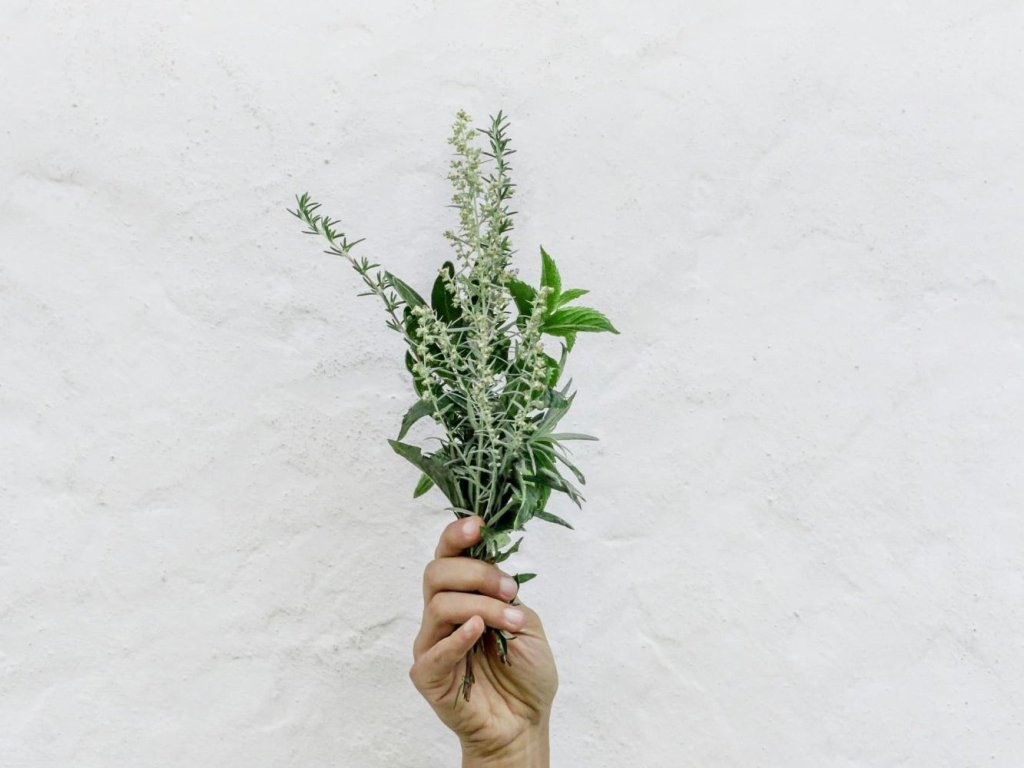
For decades, modern Western medicine and traditional herbal remedies existed on opposite ends of a skeptical divide. Pharmacologists often dismissed herbal medicine as unscientific folklore, while traditional practitioners viewed synthetic drugs as overly harsh and detached from holistic health. Today, however, an intellectual bridge is being built. Faced with rising antibiotic resistance and a stagnation in drug discovery, modern pharmacology is looking backward, turning to ancient botanical texts to spark a medical renaissance.
This modern scientific discipline, known as ethnopharmacology, does not merely advocate for drinking herbal teas. Instead, researchers use advanced laboratory techniques like high-throughput screening and mass spectrometry to isolate, identify, and extract the active molecular compounds hidden within plants that have been used by indigenous cultures for centuries. Nature is essentially a highly sophisticated chemical laboratory that has spent millions of years evolving complex molecules to defend plants against viruses, bacteria, and predators.
A classic success story of this integration is artemisinin, a powerful antimalarial drug discovered by analyzing ancient Chinese texts detailing the use of sweet wormwood to treat fevers. Today, scientists are investigating the Amazonian rainforest and traditional Ayurvedic plants for new leads. Compounds found in specific fungi and roots are showing immense promise in breaking down the protective biofilms of antibiotic-resistant "superbugs," an issue that threatens to render minor infections lethal by mid-century. By validating ancient wisdom through the rigorous lens of clinical trials, public health stands to gain a vast, sustainable arsenal of new therapeutics, proving that the future of medicine may well be rooted in our past.