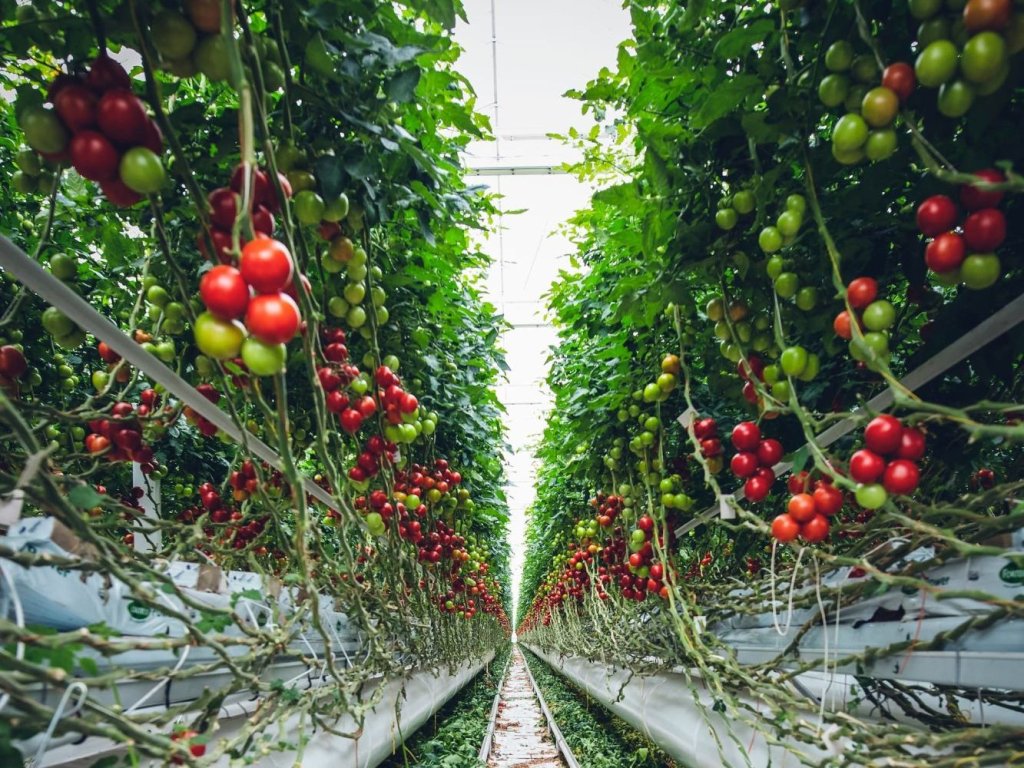
As the global population inches toward nine billion, with the vast majority concentrated in urban centers, traditional agriculture faces an existential crisis. Land degradation, unpredictable weather patterns caused by climate change, and the massive carbon footprint of transporting food across continents have forced innovators to look upward. Enter vertical farming—an urban agriculture revolution that transforms abandoned warehouses, skyscrapers, and shipping containers into highly productive, soil-free agricultural hubs.
Vertical farming utilizes Controlled Environment Agriculture (CEA) technology. Instead of relying on unpredictable sunshine and rain, crops are grown indoors under precisely tuned LED lights that mimic the optimal spectrum of the sun. Soil is replaced by hydroponic (water-based) or aeroponic (air/mist-based) systems that deliver nutrient-rich solutions directly to the plant roots. This method uses up to 95% less water than traditional farming because the water is continuously recycled within a closed loop. Furthermore, because the environment is completely sealed, there is no need for chemical pesticides or herbicides, resulting in cleaner, organic produce.
The true magic of vertical farming, however, lies in its efficiency and proximity to consumers. Crops can be harvested year-round, unaffected by winter frosts or summer droughts, yielding up to 30 times more food per square foot than a traditional farm. Because these facilities are located within or just outside major cities, the time from harvest to plate is reduced from days to hours, virtually eliminating transport emissions and food spoilage. While high energy costs for lighting and climate control remain a challenge, the integration of solar and wind power is rapidly making vertical farming the blueprint for sustainable urban food security.